
Turmeric
SPICES
1/5/20261 min read
Turmeric
Description
Turmeric is obtained from the dried root (rhizome) of the Curcuma longa plant, which belongs to the ginger family. Native to the Indian subcontinent and Southeast Asia, turmeric is a perennial, rhizomatous plant that grows best in temperatures between 20–30°C with adequate annual rainfall.
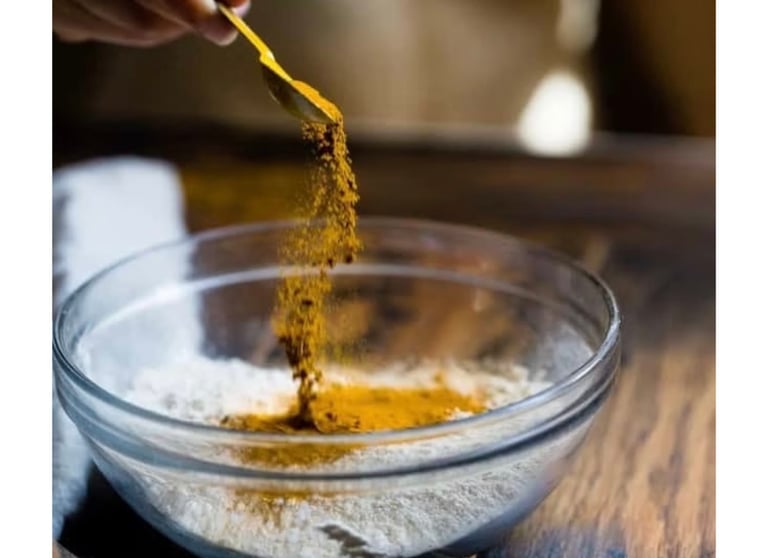
The rhizomes are harvested annually and may be used in their raw form or processed further. Processing typically involves boiling the rhizomes in water, drying them, and grinding them into a fine orange-yellow powder.
History
Native to Asia, turmeric was initially used as a natural dye. Over time, following the recognition of its medicinal properties, it became widely used in Ayurveda, traditional Chinese medicine, and other traditional systems.
India is known to have the largest number of turmeric species, with Thailand ranking closely as the second-largest producer.
Specification
Product Name: Turmeric
Origin: Indian sub-continent and Southeast Asia
Family: Zingiberaceae
Binomial Name: Curcuma longa
Features & Characteristics
Color: Orange-yellow
Taste and Smell: Bitter taste with a mildly aromatic orange/ginger-like smell
Quality: —
Ingredients
Nutrients:
29 Calories
2.1 g fiber
6.31 g carbohydrates
Minerals:
Iron
Potassium
Manganese
Vitamins:
Vitamin C
Protein:
0.91 g
Fats:
0.31 g
Uses & Benefits
Turmeric is a spice known to have multiple uses and benefits. Some of the common applications include:
Uses
Culinary: Turmeric powder is widely used as a spice in various dishes across the world.
Dye: The natural golden-yellow color of turmeric is used as a dye.
Indicator: Used as a chemical indicator to test acidity and alkalinity.
Medicinal: As a plant with medicinal value, turmeric is commonly used in home remedies and Ayurvedic treatments.
Turmeric Uses & Benefits
Anti-inflammatory medicine
Pain reliever
Antioxidant
Cancer treatment
Digestion support