
Cumin seeds
SPICES
1/5/20261 min read
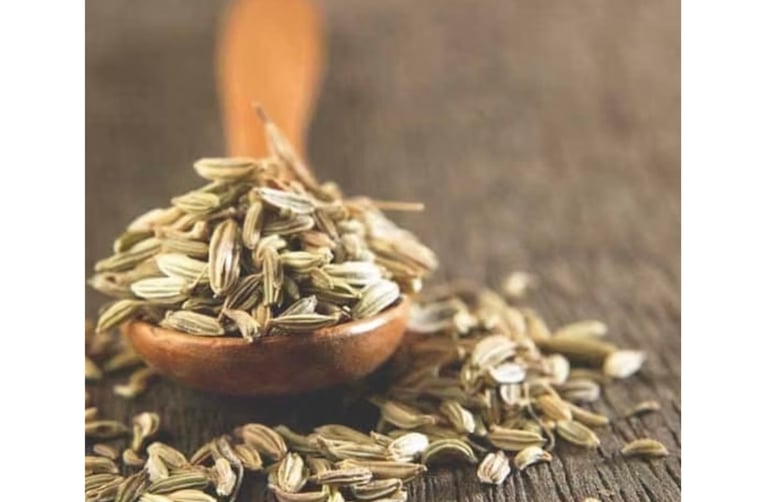
Cumin Seeds
Description
Cumin consists of the dried seeds of the fruit of the Cuminum cyminum plant. Native to Southwestern Asia and the Middle East, cumin seeds are widely used in food preparation as well as for other applications. The seeds are typically dried and used whole, ground into powder, or processed further to obtain essential oils.
The cumin plant grows best under optimal temperatures between 25–30°C and requires a Mediterranean-type climate. At present, India is recognized as one of the leading producers as well as consumers of cumin globally.
History
Believed to have originated in the Eastern Mediterranean region, cumin has been used as a spice for over a thousand years. During ancient Egyptian civilization, cumin was used both as a culinary spice and as a preservative in the mummification process.
Over time, cumin became an important component of Roman cuisine and later spread to the Americas through Spanish and Portuguese colonists. Today, major producers of cumin include India, China, Northern Africa, Chile, and Mexico.
Specification
Product Name: Cumin Seeds
Origin: Levant (Eastern Mediterranean)
Family: Apiaceae
Binomial Name: Cuminum cyminum
Features & Characteristics
Color: Brownish-yellow (other variants are also available)
Taste and Smell: Earthy, nutty, and spicy taste with a strong, warm aroma
Quality: —
Ingredients
Nutrients:
375 Kcal calories
10.5 g fibre
44.24 g carbohydrates
Minerals:
Calcium
Iron
Magnesium
Manganese
Phosphorus
Potassium
Sodium
Zinc
Vitamins:
Vitamin C
Vitamin E
Vitamin B
Protein:
17.81 g
Fats:
22.27 g
Uses & Benefits
Cumin seeds are a spice known to have multiple uses along with certain health-related applications. Some of the common uses include:
Uses
Culinary: Cumin seeds, whole or in powdered form, are used as a spice in a wide variety of dishes worldwide.
Essential Oils: Due to its strong aroma and pungent character, cumin is used in the production of essential oils and perfumes.
Skincare: Cumin is mixed with other products, such as honey, for skincare applications including exfoliation.
Medicinal: Cumin is used in traditional medicine to prepare formulations such as kashaya and arishta. In many Indian households, it is also consumed as jira water.